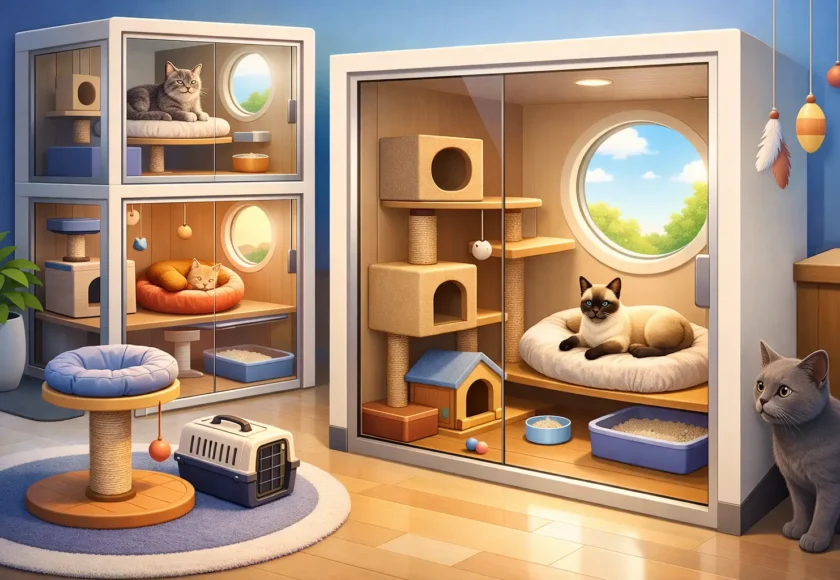

A dog may arrive at boarding ready to greet everyone in the lobby. A cat is more likely to assess the room, listen for unfamiliar sounds, and decide whether the carrier is currently the safest place in the universe. That difference is why pet parents often ask, do cats need private suites when boarding? For most cats, a private, thoughtfully designed accommodation is far more than a luxury. It is the foundation for a calmer, safer stay away from home.
Cats do not need a sprawling room filled with constant activity to feel cared for. They need a secure space that is clean, peaceful, and their own, with attentive people who respect their pace. The right private suite gives them room to settle in without the pressure of strange animals, sudden commotion, or a disrupted routine.
Why Cats Prefer Space They Can Call Their Own
Cats are territorial by nature. Home is not simply where they sleep and eat – it is a map of familiar scents, predictable sounds, favorite hiding spots, and routines they understand. Boarding asks them to adapt to a new environment, so a quality cat accommodation should make that adjustment feel as gentle as possible.
A private suite gives a cat a protected home base. Rather than sharing close quarters with unfamiliar cats, your companion can eat, rest, use the litter box, and observe their surroundings without feeling exposed. That sense of control can make a meaningful difference for a timid cat, a senior pet, or a cat who is simply happiest keeping to themselves.
Privacy also supports better rest. Cats may sleep for much of the day, but true rest is difficult when they feel alert to every movement around them. A quieter, separate accommodation allows them to decompress between visits, meals, and play sessions. For pet parents, that means greater confidence that their cat is not merely getting through the stay, but receiving care in a setting built around feline comfort.
Do Cats Need Private Suites for Every Boarding Stay?
Not every cat will respond to boarding in exactly the same way. An outgoing young cat may be curious about a new room and happy to engage with staff right away. A reserved adult cat may spend the first day tucked into a cozy hiding space before deciding the coast is clear. Both personalities deserve an accommodation that does not force interaction or overstimulation.
Private suites are especially valuable for cats who are anxious, easily startled, on medication, recovering from illness, or accustomed to a quiet household. They are also a wise choice for cats who have never boarded before. Starting with a calm, individual space gives the care team the opportunity to learn your cat’s preferences and build trust on their terms.
There is one important exception: bonded cats from the same household may be more comfortable staying together. If two cats routinely nap, play, and eat together at home, a shared suite can preserve a familiar relationship during a temporary change. The key is flexibility. They should have enough room to choose a little personal space when they want it, rather than being placed together simply because they came from the same family.
What a Comfortable Cat Suite Should Include
The word “suite” should represent more than a polished label. For cats, comfort comes from details that support natural behavior and a clean, well-managed routine. A strong boarding environment separates cats from the energy and noise of dog accommodations, maintains excellent sanitation, and gives each guest dedicated attention.
A comfortable suite should provide enough space for separate resting, eating, and litter areas. Cats generally prefer those essentials to be distinct, just as they are at home. Fresh bedding, cozy resting options, and opportunities to hide or perch help a cat feel more secure. A room does not need to be extravagant to be comforting, but it should never feel cramped, exposed, or impersonal.
Climate control matters, particularly during Western New York weather extremes. A warm, stable indoor environment protects comfort during cold winters and humid summer days. Clean water, familiar food when possible, and consistent meal times further reduce unnecessary change.
Just as important is what happens outside the suite. Cats benefit from a trained team that notices small changes. Has your cat eaten less than usual? Are they spending more time in their hiding spot? Did they greet a caregiver today after being shy yesterday? Observations like these help staff tailor their approach and keep pet parents informed.
Privacy Does Not Mean Being Left Alone
Some owners worry that a private cat suite sounds isolating. In a caring resort environment, privacy is not the same as neglect. It means your cat has a personal retreat, while caregivers provide regular wellness checks, fresh water, meals, litter maintenance, affection, and enrichment based on their personality.
A confident, social cat may enjoy gentle brushing, conversation, wand-toy play, or a little extra lap time. A shy cat may prefer a soft voice, slow movements, and a caregiver who sits nearby without asking for interaction. The best care honors both responses. Affection should be offered, never imposed.
This individualized attention is one reason a premium boarding stay can be a better fit than asking a friend to stop in briefly once or twice a day. Home visits work beautifully for some cats, especially on short trips. But for longer travel, medication schedules, or cats who need more consistent observation, professional boarding can offer greater structure and reassurance.
How Private Accommodations Support Health and Safety
Keeping unrelated cats in separate accommodations reduces direct contact and helps protect each pet’s personal space. It also makes feeding, medication administration, litter monitoring, and behavior observation much easier for the care team. If a cat has dietary restrictions or requires a daily pill, clear individual routines reduce the chance of mix-ups.
Private accommodations can also make it easier to maintain a clean environment. Cats are famously particular about litter boxes, and a well-kept private area helps encourage normal bathroom habits. When a cat’s appetite, water intake, or litter box use changes, attentive caregivers can spot the difference more quickly.
No boarding setting can recreate home perfectly, and it is fair to acknowledge that some cats find any transition stressful. The goal is not to promise that every cat will immediately love being away. The goal is to choose a facility with calm feline-only accommodations, consistent care, thoughtful sanitation, and a team prepared to support your cat as an individual.
Preparing Your Cat for a More Peaceful Stay
A little preparation can help your cat arrive with greater confidence. Share honest information about their temperament, health needs, feeding routine, and comfort cues. If your cat dislikes being picked up, is sensitive to noise, or needs time to warm up to new people, say so. This information helps the team shape care around your companion instead of expecting your companion to adapt instantly.
Bring any required medications in their original containers, along with clear instructions. Ask whether familiar food is recommended and whether you may include a small comfort item that carries the scent of home, such as a blanket or well-loved shirt. Avoid sending valuables or items your cat could shred or swallow.
It also helps to schedule a visit before a longer stay, when available. Seeing a clean, calm cat area and meeting the people who will care for your pet can replace guesswork with peace of mind. At Creature Comforts Pet Resort, a tour is a wonderful opportunity to ask how suites are cleaned, how often cats are checked, and how the team handles medications, meals, and special requests.
Choosing Boarding That Respects the Cat Behind the Carrier
The best cat boarding experience is not measured by flashy extras alone. It is measured by whether your cat is safe, clean, observed, and allowed to settle in at their own speed. Private suites provide the quiet structure many cats need, while personalized care ensures that each guest is treated like the cherished family member they are.
Before reserving a stay, ask to see where cats rest, eat, and use the litter box. Ask how the facility separates cats from dogs, how staff monitor appetite and behavior, and how they communicate if something seems unusual. The answers should feel specific, confident, and caring.
Your cat may never pack a suitcase with enthusiasm, but they can have a stay designed around security, gentleness, and familiar comforts. A private suite gives them a peaceful place to land while you are away – and gives you the comfort of knowing their needs are being noticed every day.